
Injured by a Pothole or Road Defect in California? Know Your Legal Rights
Understanding the Complexities of Suing Public Entities for Dangerous Road Conditions
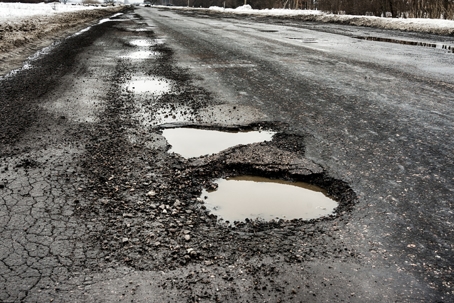
California’s recent storms and extreme wind events have caused a surge in roadway hazards—from potholes and collapsed road shoulders to downed trees, power lines, and sinkholes. These conditions have led to a wave of accidents across Southern California and beyond. If you’ve been injured due to one of these roadway defects, you may be entitled to compensation. However, pursuing a claim against a government entity under California law is not as simple as filing a typical personal injury case.
At The Law Offices of Ali Taheripour, we help clients throughout California navigate the unique challenges of suing public entities for injuries caused by poorly maintained or hazardous roads.
Suing a Public Entity in California: What You Need to Know
Identifying the Responsible Government Agency
The first challenge is identifying who is liable. Was the road maintained by the City of Los Angeles, Caltrans, L.A. County, or even the federal government? Multiple agencies may share responsibility, which can cause delays and jurisdictional confusion. Determining liability is a critical first step in preparing your claim.
Compressed Timelines Under the California Tort Claims Act (CTCA)
Unlike standard personal injury claims that generally have a two-year statute of limitations, claims against public entities fall under the California Tort Claims Act, which imposes a strict six-month deadline to file an administrative claim from the date of injury. Missing this window can bar you from seeking compensation in court.
Key Legal Requirements Under the CTCA
Filing an Administrative Claim First
Before filing a lawsuit, the CTCA requires that an injured party submit an administrative claim to the government entity involved. This claim must comply with Government Code § 910, outlining specific details such as:
- Time and location of the incident
- Description of the injury and damages
- The public entity or employee responsible
See full text of § 910
If denied, you have six months from the date of denial to file your lawsuit in civil court.
Overcoming Government Immunity
Public entities are generally protected by sovereign immunity, which means they can’t be sued unless there’s an exception. Fortunately, Government Code § 835 allows liability when a public entity’s property—such as a road—is in a dangerous condition and they had notice of the hazard.
View § 835
The elements of negligence include:
- Duty: The government had a duty to maintain safe road conditions.
- Dangerous Condition: There was a pothole, debris, a missing sign, or other hazard.
- Notice: The government knew or should have known about the defect.
- Causation: The hazard caused your injury.
- Damages: You suffered actual losses, such as medical costs, lost income, and pain and suffering.
Let The Law Offices of Ali Taheripour Help You Pursue Justice
Navigating the complexities of filing a claim against a California public entity can be overwhelming. Our experienced team at The Law Offices of Ali Taheripour has over 20 years of experience handling personal injury cases involving government liability. We understand the intricacies of the California Tort Claims Act, and we will help you through the legal process of making your claim.
If you or a loved one has been injured due to a pothole, broken sidewalk, or other hazardous road condition in California, don’t wait. Contact our team today to explore your options.