

Dog Bite Cases in California: Does Dog Breed Matter?
Understanding California’s Strict Liability Dog Bite Law
California has some of the strictest laws in the country when it comes to dog bite liability. Under California Civil Code § 3342, dog owners are strictly liable for injuries their dogs cause—regardless of the breed, the dog’s past behavior, or whether the owner was negligent. This means that victims do not need to prove fault to receive compensation for medical bills, lost wages, and pain and suffering.
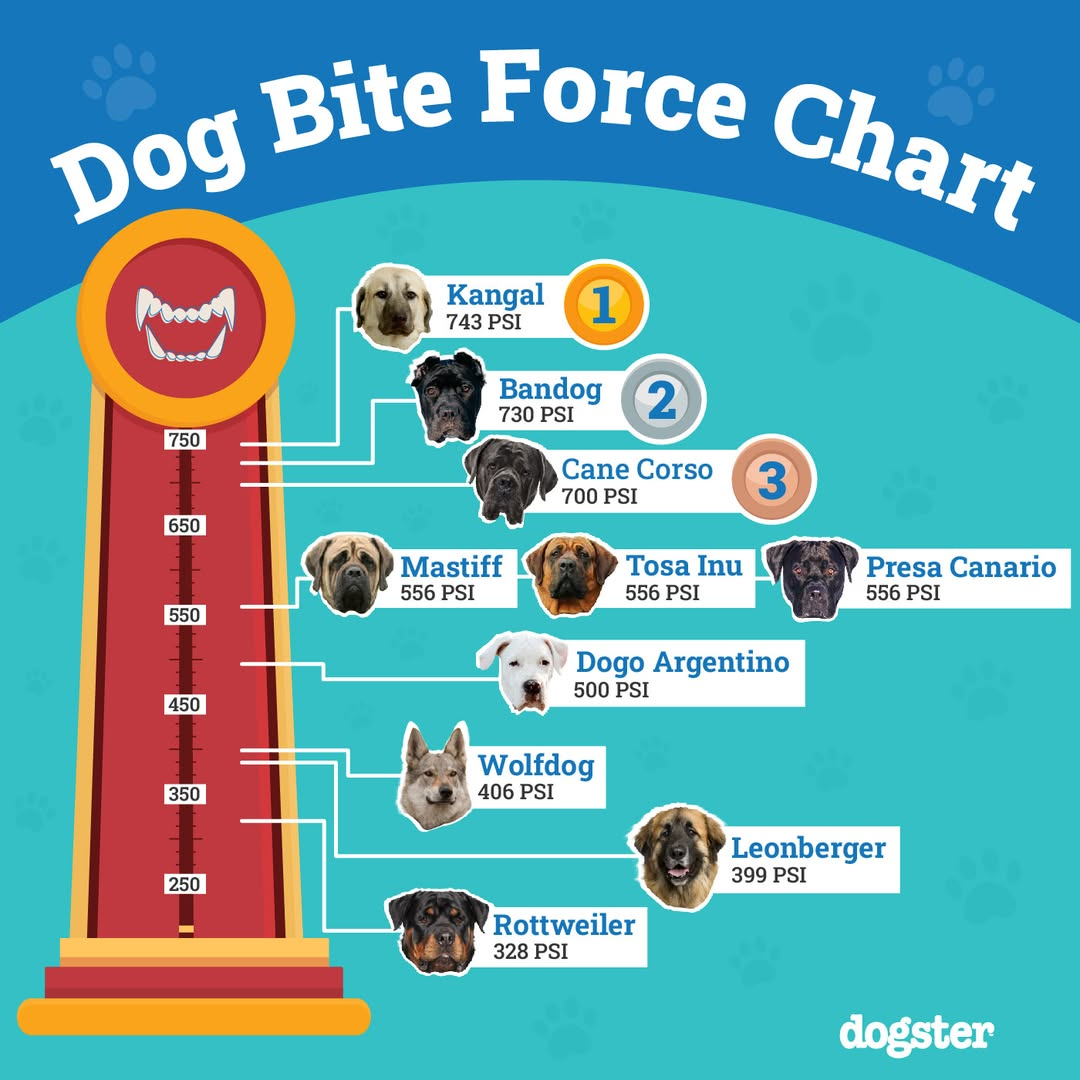
Whether the dog involved is a tiny Chihuahua or a massive Cane Corso, the strict liability standard treats them equally under the law. However, when it comes to evaluating damages, certain factors—including the breed, the dog’s jaw pressure, and the severity of the bite—may influence the outcome.
What is PSI, and how does it affect dog bite claims?
While dog breed does not impact liability, it may influence damage assessments, particularly in cases involving serious injuries or catastrophic harm. One breed-specific metric that is sometimes considered is PSI (pounds per square inch). The PSI measures how much force, in pounds, is applied over one square inch of surface area when the dog bites down. Factors affecting PSI include jaw muscles, skull shape, teeth, and body weight. A higher PSI generally means a stronger bite capable of causing more severe injuries. The PSI also helps to compare the jaw pressure of different breeds. For example:
- Cane Corso: up to 700 PSI
- German Shepherd: approx. 238 PSI
- Toy Poodle: around 50 PSI
Despite popular interest, there is no scientifically definitive PSI ranking, and such figures can vary between sources. Training, socialization, and individual temperament can also influence a dog’s behavior and bite. Courts may consider breed-related PSI as one of many factors, but PSI alone does not determine compensation or legal outcome.
Using the Dunbar Bite Scale in California Injury Evaluations
Courts and attorneys have referenced the Dunbar Bite Scale, created by Dr. Ian Dunbar, to categorize the severity of dog bite injuries. This six-level scale helps assess the pathology of the wounds:
Dr. Ian Dunbar’s Dog Bite Scale
- Level 1: Aggressive behavior, no contact
- Level 2: Skin contact, no puncture
- Level 3: Up to 4 shallow punctures
- Level 4: Deep punctures and possible shaking
- Level 5: Multiple Level 4 bites or attacks
- Level 6: Fatal incident
Levels 1–2 are the most common and typically resolve without long-term harm. Levels 4–6 suggest dangerous behavior and may be grounds for serious legal and animal control action.
What Other Factors Influence Compensation in California Dog Bite Cases?
Each dog bite case is different. While the law applies strict liability, the amount of compensation can vary based on several key factors, aside from the PSI and the Dunbar scale:
- The number of dogs involved
- How many bites or attacks occurred
- The body parts injured
- Emergency care and hospital bills
- Duration and cost of follow-up treatment
- Scarring, disfigurement, or need for reconstructive surgery
- Permanent disabilities (e.g., nerve damage, facial disfigurement)
- Pain and suffering, including emotional trauma
- Testimony from the victim, family, and expert witnesses
Get Help from a California Dog Bite Lawyer
At The Law Offices of Ali Taheripour, we bring over two decades of experience to dog bite cases across California. Our firm understands that dog bite injuries can result in lifelong trauma and financial hardship.
We guide victims through every stage of the legal process, all the way to a jury trial if necessary. If you or a loved one has suffered a dog bite injury in California, contact The Law Offices of Ali Taheripour for a consultation. We’re here to help you pursue justice and achieve the compensation you deserve.